Our Focus

Sanitation
Radical Change Network tackles Africa’s plastic waste crisis through policy reform, community engagement, and innovation. We push for stricter plastic regulations, investment in waste infrastructure, and public awareness campaigns on environmental and health impacts. We also drive local to international collaboration for sustainable, context-specific solutions.
Climate Change
Plastic pollution is now a leading cause of flooding and disease in human settlements. At the same time, rapid global warming is disrupting weather patterns and nature’s balance, threatening all life. This underscores the urgent need to address plastic waste in fighting climate change. RCN promotes systemic change and environmental responsibility to mitigate these impacts.
Our Campaign
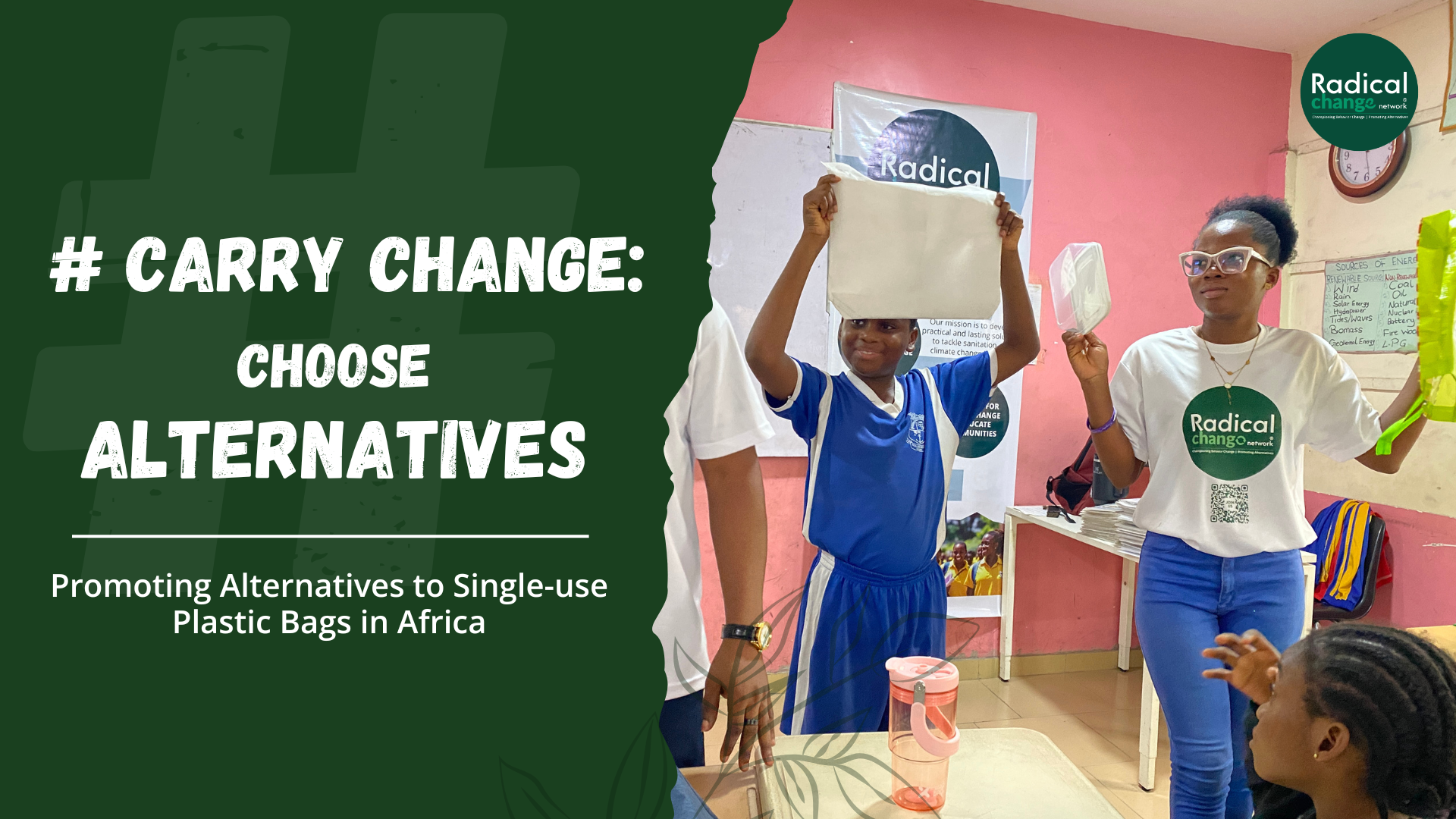
#Carry Change
Choose Alternatives
Ghana alone generates around 1.1 million tons of plastic waste per year, with only 5% collected for recycling; however, less than 2% of that material is actually recycled. These plastics take hundreds of years to decompose, and the chemicals used in their manufacture are toxic, causing harm to the lungs and nervous system if ingested.
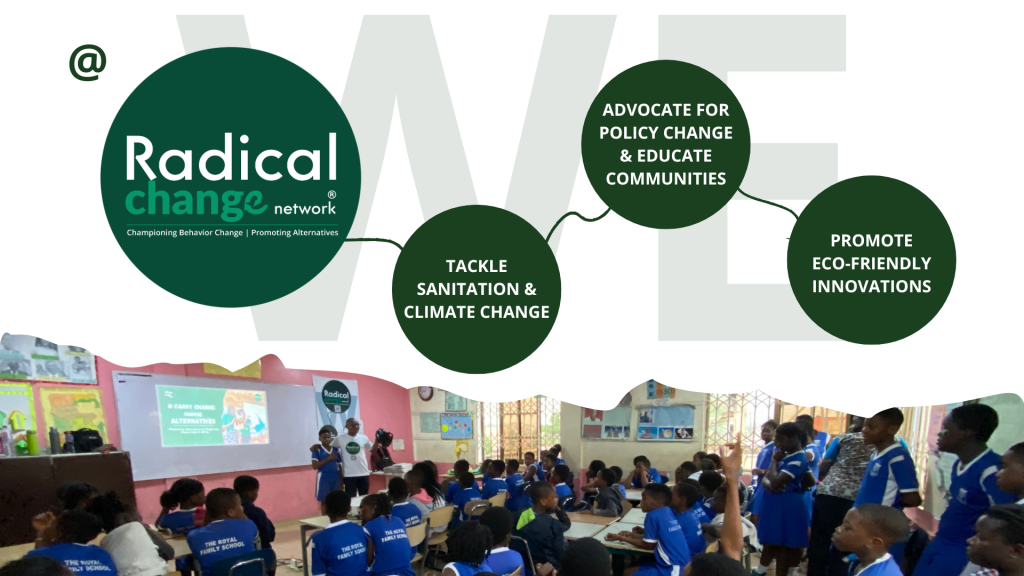
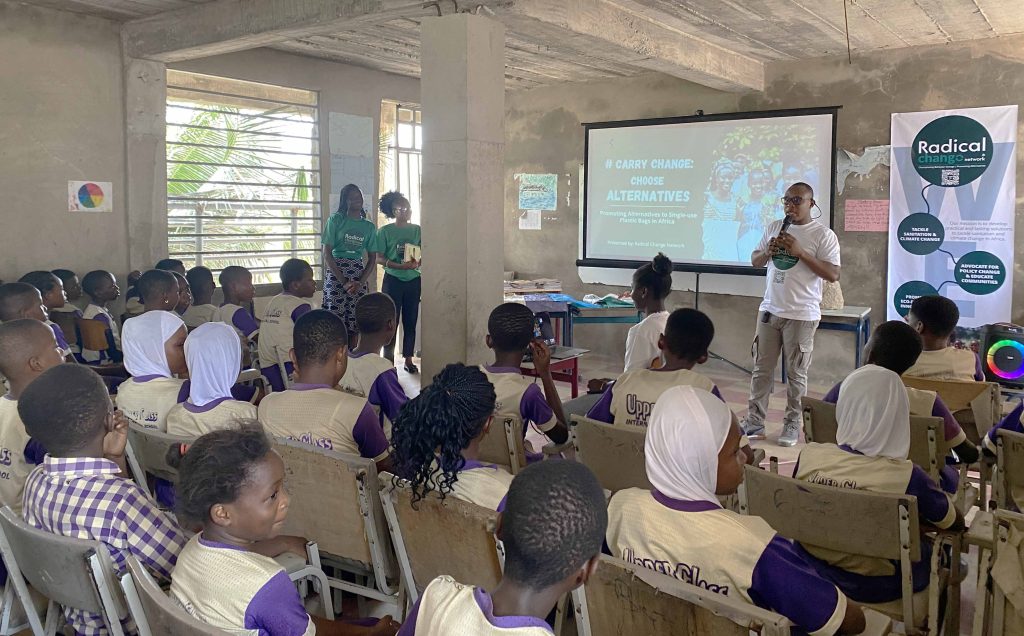
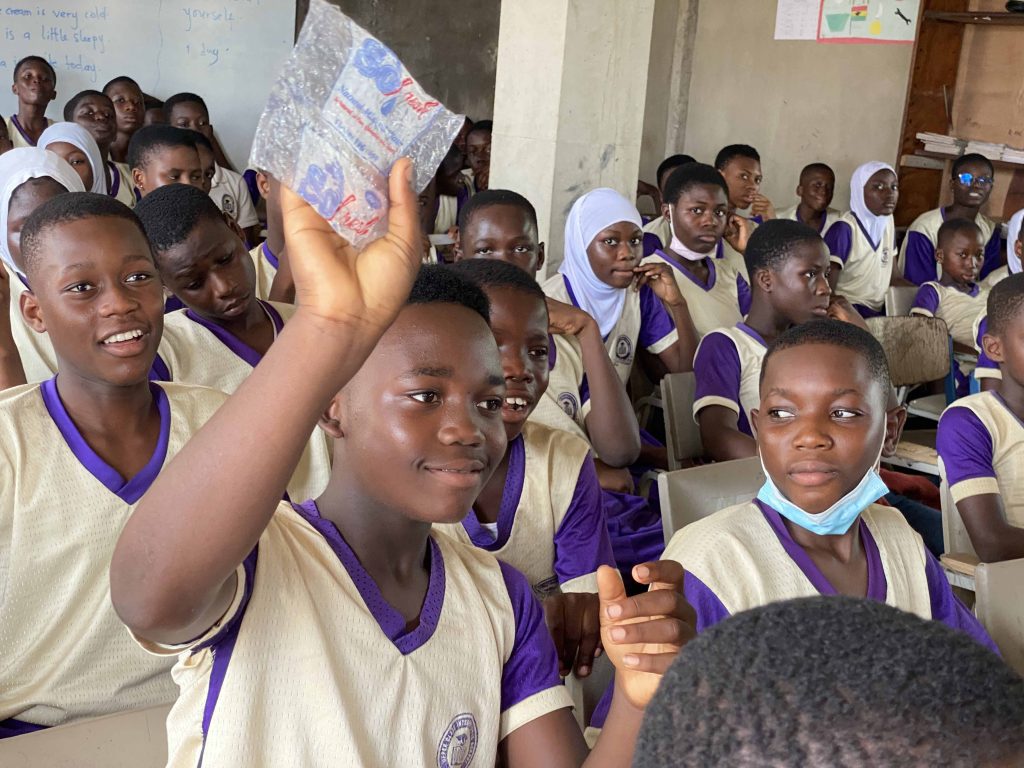
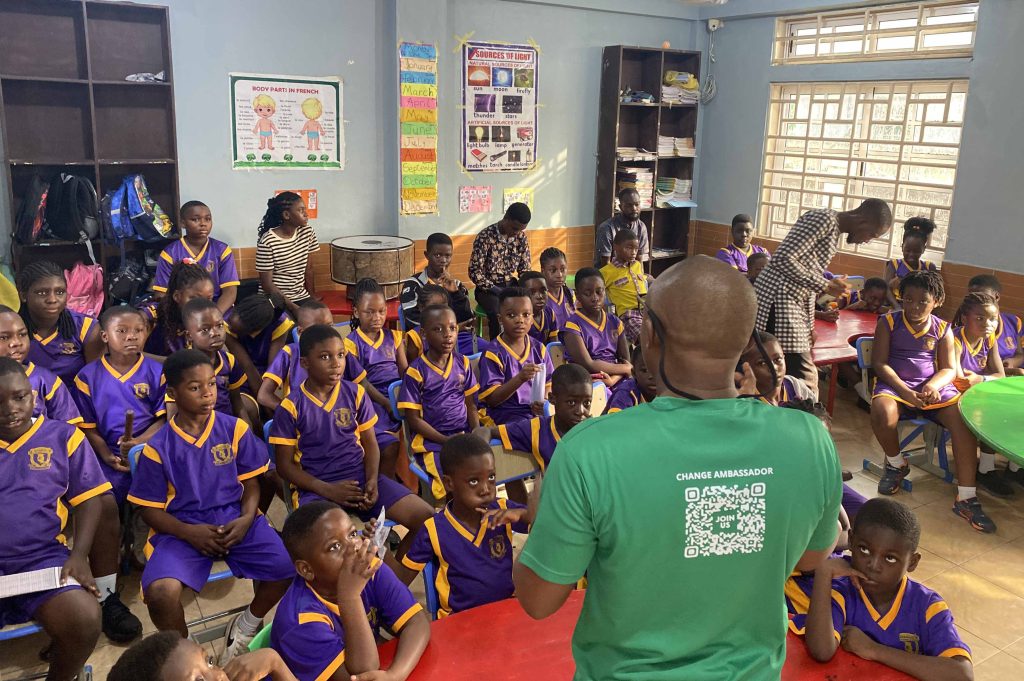
Our #carrychange outreach campaign targets school-going children across urban centres in Ghana, where plastic dependence is ever-increasing. In these schools, we raise awareness of the dangers of single-use plastics and the need to choose alternatives to protect the environment and their own health. We entreat them to encourage their parents and siblings at home to do the same. Our target is to reach 50,000 students and, by extension, 50,000 households in these urban centres.
550+
Students reached so far, with 49,000+ to go in 2026.
1170+
Petition Signed so far with 190,000+ remaining

Vision
An Africa sustained by innovative development.
Mission
Our mission is to develop practical and lasting solutions to address sanitation and climate change in Africa.
OUR PROJECTS
Repurposing Problematic Plastics
Our repurposing project develops and highlights innovations that repurpose problematic plastics into valuable products. It involves research and development of new technologies for transforming these plastics into materials for construction, textiles, and other industrial applications. This initiative champions collaboration with industry and communities to create a circular economy model in which plastic waste is continuously reused.

#Carry Change Campaign
Our #carrychange outreach campaign targets school-going children across urban centres in Ghana, where plastic dependence is ever-increasing. In these schools, we raise awareness of the dangers of single-use plastics and the need to choose alternatives to protect the environment and their own health. We entreat them to encourage their parents and siblings at home to do the same. Our target is to reach 50,000 students and, by extension, 50,000 households across Ghana in 2026.

Ghana Plastics Innovation Annual Conference
The Ghana Plastics Innovation Annual Conference serves as a central platform to unite stakeholders across the plastic value chain, including policymakers, industry leaders, innovators, researchers, NGOs, and community representatives. The conference showcases pioneering innovations and projects that effectively address plastic pollution, providing recognition and support to these initiatives.
OUR APPROACH

Engage Policymakers
We advocate for stringent policies and regulations to limit the production and use of problematic plastics.

Mobilize Stakeholders
We are creating a network of stakeholders across the plastic value chain to promote sustainable practices.

Raise Awareness
We are increasing public awareness about the environmental and health impacts of plastic pollution.

Promote Innovation
We encourage the development and adoption of alternative materials and recycling technologies.
Meet Our Team
Meet our amazing team collaborating with partners to drive impactful change in Sanitation and Climate Change.

Edem Abba
Executive Director

Angela Manford
Outreach Coordinator

Caleb Tetteh
Multimedia Specialist

Sarah Agbadi
Partnerships Coordinator

Divine Adongo
Policy Lead

Hellen Sasu
Learning Lead
Our Partners
Our collaboration with these partners helps us drive impactful change in Sanitation and Climate Change.

Institute of Statistical, Social and Economic Research

Reusable Bags Gh
Let’s Do it Ghana
Environmental Protection Authority

Papperbuddy

TESTIMONIALS
Voices of Reasoning: Hear What Other Concerned Africans Have to Say!


Single-use plastics are a glaring example of the problems with throwaway culture. Instead of investing in quality goods that will last, we often prioritise convenience over durability and consideration of long-term impacts. Our reliance on these plastics means we are accumulating waste at a staggering rate. This has lethal consequences.

Life below water needs to be protected, the planet needs to be protected, we need our cities clean

Latest Articles & Insights
-
We have reached over 300 schoolchildren in the Ga West District of the Greater Accra Region in January 2026!
.
In January 2026, Radical Change Network reached over 300 schoolchildren in the Ga West District of Greater Accra through a hands-on…
-
Connecting with the next generation of policymakers and cross-sector leaders.
.
Connecting with the next generation of policymakers and cross-sector leaders is now mission-critical to reversing our overreliance on plastics. As part…
-

An advocate for plastic ban calls for transition to paper bags
.
In a passionate plea for environmental change, Kojovi Edem Abba, a Media Consultant and Advocate forthe ban on single-use plastics in…